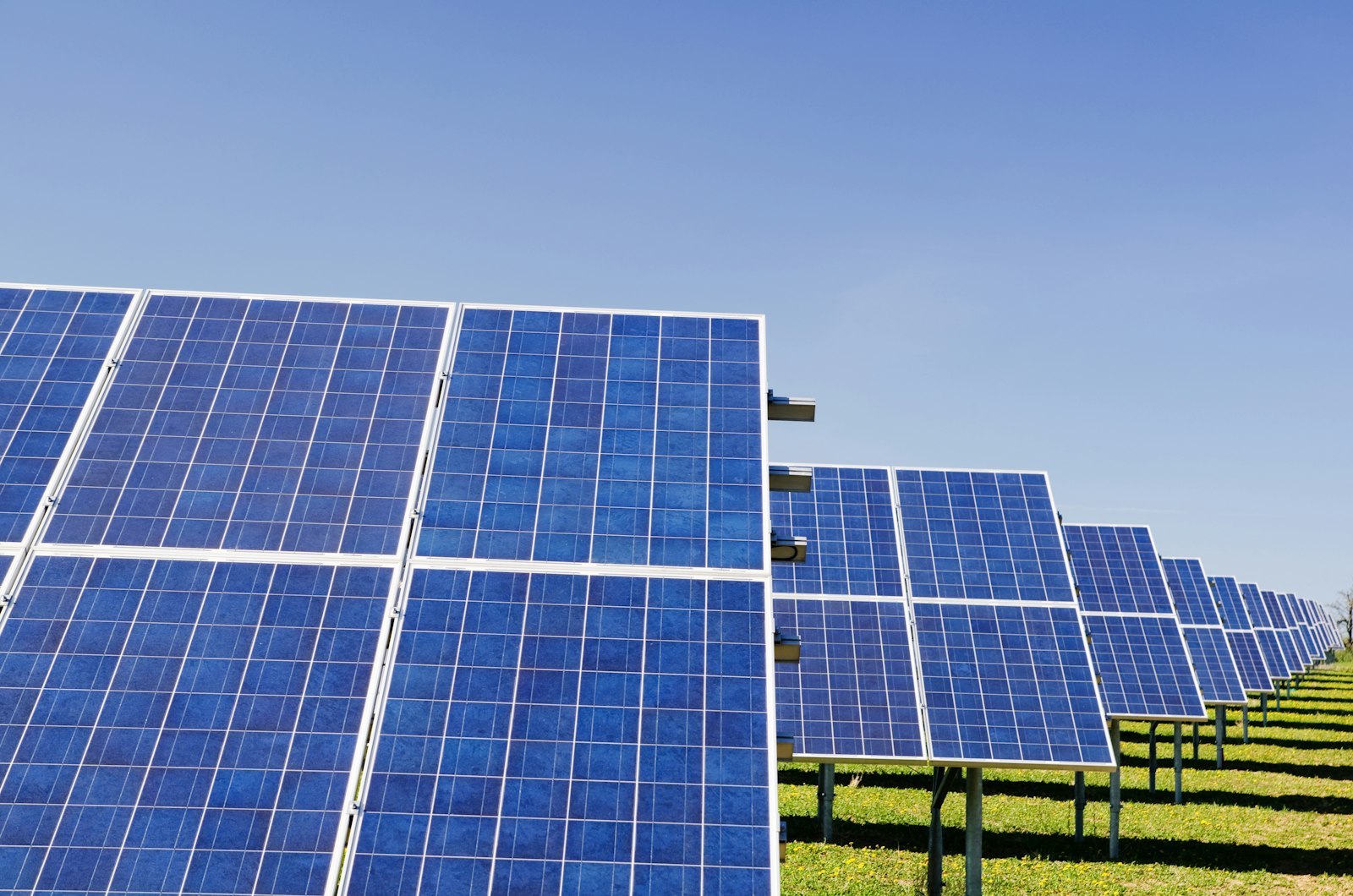
Hybrid Solar
Generate. Store. Stay prepared.
Combine solar generation, battery storage and the utility grid. Use energy on your terms, with an engineered reserve for the loads that matter most.
Savings and resilience are different objectives.
A hybrid system can shift solar energy into later hours and support selected loads during a utility outage. But a battery used every evening is not necessarily holding the reserve you need for a blackout. A good design makes that trade-off explicit.
Generation. Demand. Engineering.Homes with essential loads
Lighting, communications and refrigeration selected for backup rather than assuming whole-home support.
Commercial operations
Defined business loads supported within an agreed power and outage-duration envelope.
Existing solar sites
Storage integration evaluated against the installed inverter, wiring and connection permissions.
How a hybrid system works.
A hybrid system is grid-connected with battery storage. It suits reliable or weak grids, cutting bills and keeping power during outages.
| Connection to utility grid | Grid-connected, with battery storage |
|---|---|
| Battery storage | Yes |
| Main components | Solar panels, hybrid inverter with built-in MPPT, battery bank, net meter |
| Surplus solar energy | Charges the battery first, then can be exported to the grid |
| During a grid outage | Keeps supplying loads from solar and battery |
| When the sun is not available | Battery supplies the load; grid or generator supports when the battery is discharged |
| Typical fit | Reliable or weak grid, cutting bills and keeping power during outages |
| Cost and complexity | Batteries add cost and maintenance |
- Backup option: choose hybrid if power cuts are a concern.
- Subsidy eligibility for systems with battery storage is confirmed at proposal stage.
01Do I need batteries?
Not for grid-tie. Hybrid and off-grid systems use a battery bank, which adds cost and maintenance but lets you use stored solar energy when the sun is not available.
How the system works.
Different conditions. A defined response.
Explore the operating strategy.
Supply the site and charge storage.
Solar serves available demand and charges the battery within its control limits. Import or permitted export is managed through the connection arrangement and chosen operating strategy.
Define what stays on.
Backup power begins with a circuit list and a duration target—not with a battery catalogue.
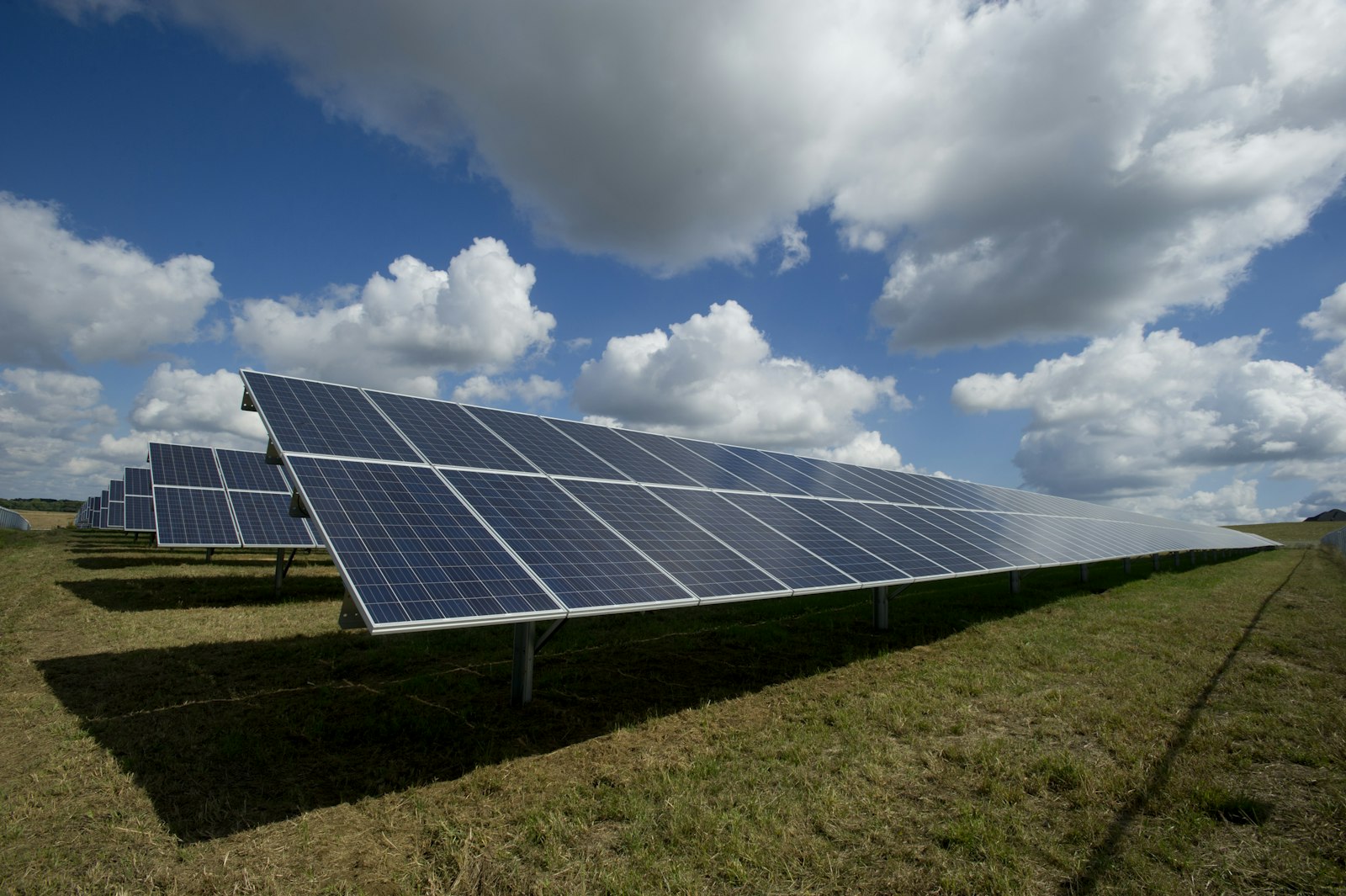
Whole-site backup is not assumed. Large loads, medical equipment and no-break applications require a separate continuity assessment.
Critical-load selection
Identify the circuits, operating hours and starting currents that must be supported during an outage.
Power versus energy
Inverter power determines what can run at once; usable battery energy determines how long it can run.
Reserve & dispatch
Choose the balance between daily self-consumption, tariff operation and the energy held for outages.
Integration & isolation
Assess AC or DC coupling, existing equipment, transfer arrangements and protection in both grid and backup modes.
Engineering that carries through.
A clear path from the first site inputs to a system your team can operate.
Agree the priorities
A consumption review and protected-load schedule, with an outage scenario.
Design the integration
PV, battery and inverter architecture, backup circuits and isolation strategy.
Verify operating modes
Charge, discharge, grid-loss and reconnection functions tested against the agreed scope.
Set the controls
Reserve levels, monitoring and operator guidance aligned with the intended use.
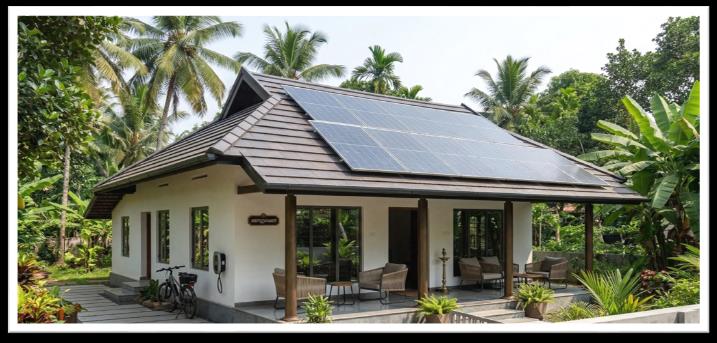
Engineering, on site.

The questions that matter.
A useful system proposal starts with the right information.
01Can batteries be added to my existing solar?
Often, subject to an equipment and connection review. AC-coupled storage or a revised DC-coupled arrangement may be suitable. Compatibility, available space, protection and backup behaviour must all be checked.
02Will the entire building have backup?
Only if the system is designed for it. Many hybrid installations support a separate set of essential circuits. Large motors, heating or cooling loads may exceed the selected inverter or battery capability.
03Will solar recharge the battery during a power cut?
It can in a compatible, correctly configured backup-capable system. This depends on the inverter architecture, islanding controls, available sunlight and battery operating limits; it should be verified during commissioning.
04Is hybrid solar a replacement for a UPS?
Not automatically. Changeover time and power quality vary by equipment. Sensitive or no-break loads may still require a dedicated UPS or another continuity arrangement.