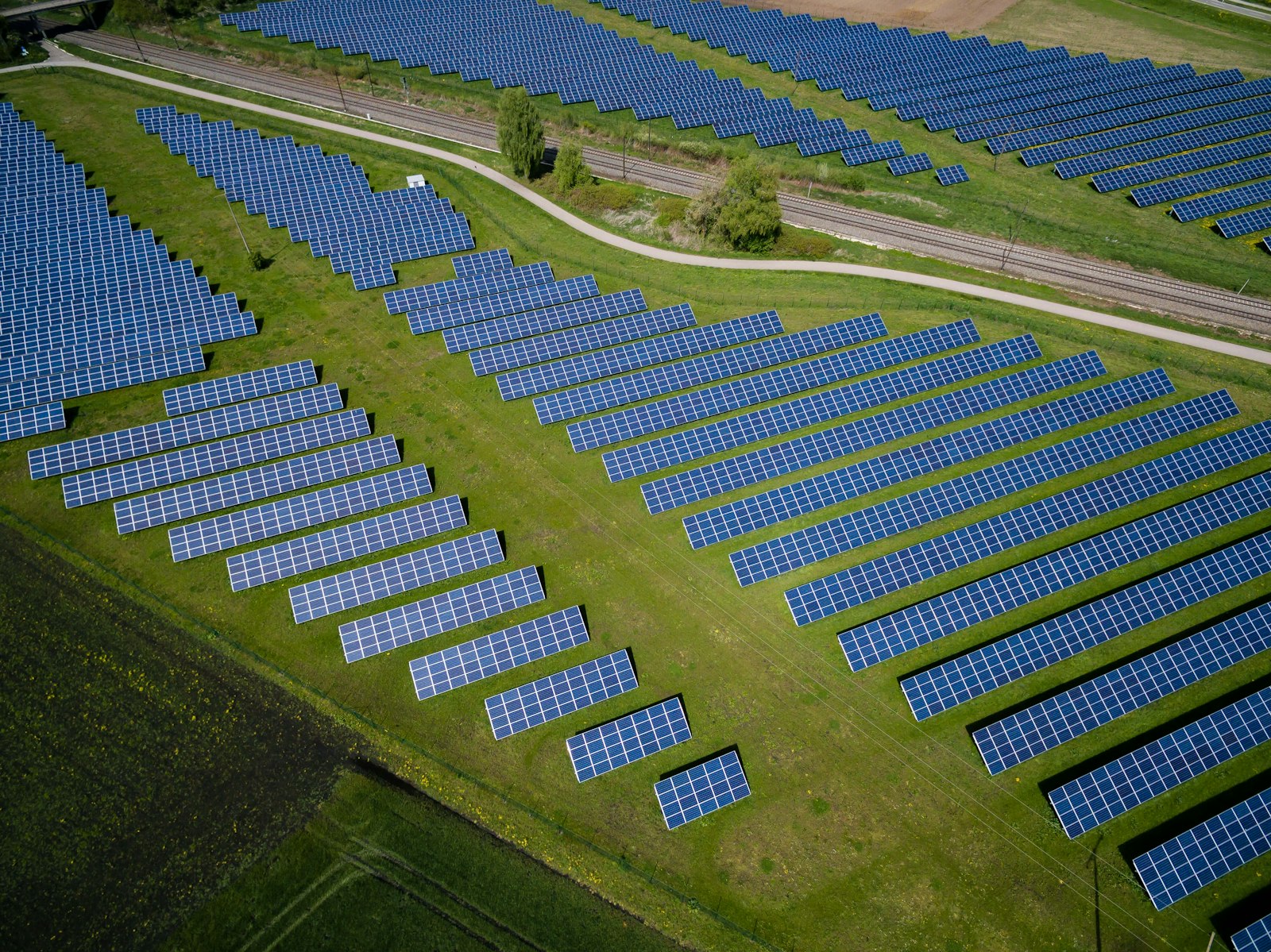
Solar Microgrids
One network. Coordinated power.
Bring local generation, storage and multiple loads under one control strategy—for campuses, communities and sites that need a defined path to energy resilience.
A microgrid is a system—not just a larger array.
A microgrid coordinates interconnected loads and energy resources within a defined electrical boundary. It may operate with the utility grid or independently. Its controller, protection scheme and ability to establish a stable local supply are as important as the generation capacity.
Generation. Demand. Engineering.Campuses & institutions
Multiple buildings with a shared strategy for essential services, generation and load priorities.
Islands & communities
Solar, storage and dispatchable generation assessed alongside local distribution and operator capacity.
Industrial clusters
Coordinated energy resources around production loads, power quality and operational continuity.
How the system works.
Different conditions. A defined response.
Explore the operating strategy.
Operate as a coordinated local network.
The controller manages local resources and the exchange with the utility, within the site’s electrical limits and connection rules. Demand forecasts and resource availability inform dispatch.
Engineer the network, not only the generation.
The first decisions establish resilience goals, electrical boundaries and who will operate the system.
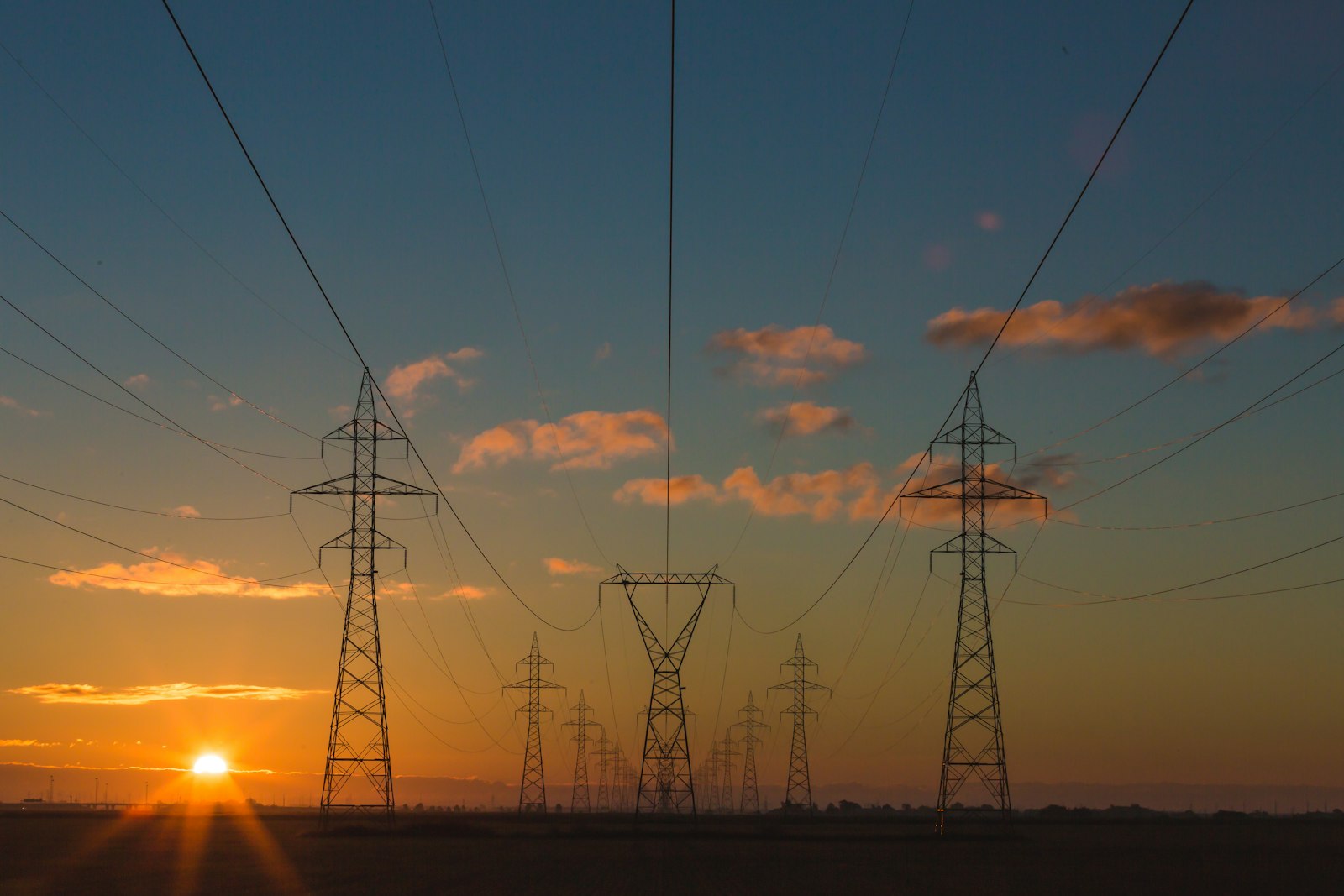
A microgrid’s resilience comes from its complete operating design. Adding solar and batteries alone does not establish safe islanding or black-start capability.
Resilience & load priorities
Define essential services, outage scenarios, allowable interruptions and how non-essential demand will be managed.
Resource & network studies
Assess solar, storage, existing generators, distribution assets and the aggregated load profile.
Control & protection
Review voltage and frequency control, fault protection, communications and switching in connected and islanded modes.
Operations & cybersecurity
Plan operator responsibilities, secure control access, maintenance, spares and recovery procedures.
Engineering that carries through.
A clear path from the first site inputs to a system your team can operate.
Set the system boundary
Stakeholder needs, critical loads, existing assets and the point of utility connection.
Study the architecture
Resource mix, distribution, storage, control and protection assessed together.
Integrate & demonstrate
Controller interfaces and the agreed switching, islanding and restoration scenarios tested.
Plan long-term operation
Operating procedures, secure monitoring and maintenance responsibilities established.
Engineering, on site.

The questions that matter.
A useful system proposal starts with the right information.
01How is a microgrid different from off-grid solar?
Off-grid solar describes a standalone supply. A microgrid describes a coordinated local network with a defined electrical boundary, potentially multiple sources and loads, and system-level control. It can be off grid or connected to a utility.
02Can existing generators be integrated?
Potentially. Generator controls, ratings, protection and communications need review. Their dispatch strategy must coordinate with storage, solar and the loads in each intended operating mode.
03Does a microgrid guarantee uninterrupted power?
No universal guarantee applies. Continuity depends on generation and storage availability, transfer behaviour, load priorities and the outage scenario specified. Critical no-break loads may need additional equipment.
04What is needed before a feasibility study?
A site and network plan, consumption and critical-load data, existing resource details, utility connection information, resilience objectives and an understanding of ownership and operating responsibilities.